UAE moves out of OPEC, signals big shift in oil strategy; what this means for India





PTC Web Desk: The United Arab Emirates (UAE) has decided to exit the Organization of the Petroleum Exporting Countries (OPEC), marking a major change in its oil policy. The decision, which takes effect from May 1, will allow Abu Dhabi to produce oil without following the output limits set by the group.
For decades, OPEC, largely guided by Saudi Arabia, controlled how much oil each member could produce to keep global prices stable. But now, the UAE wants more control over its own production.
This move could bring positive news for India. The UAE is already one of India’s key oil suppliers, contributing nearly 9–10% of its crude needs. With no production cap, the UAE can increase output significantly, even by up to one million barrels per day in the short term. This means India may get:
More steady oil supply
Possibly better pricing
Reduced risk during global disruptions
India relies heavily on imports for fuel like petrol, diesel, and petrochemicals, so any stable and secure supply is crucial.
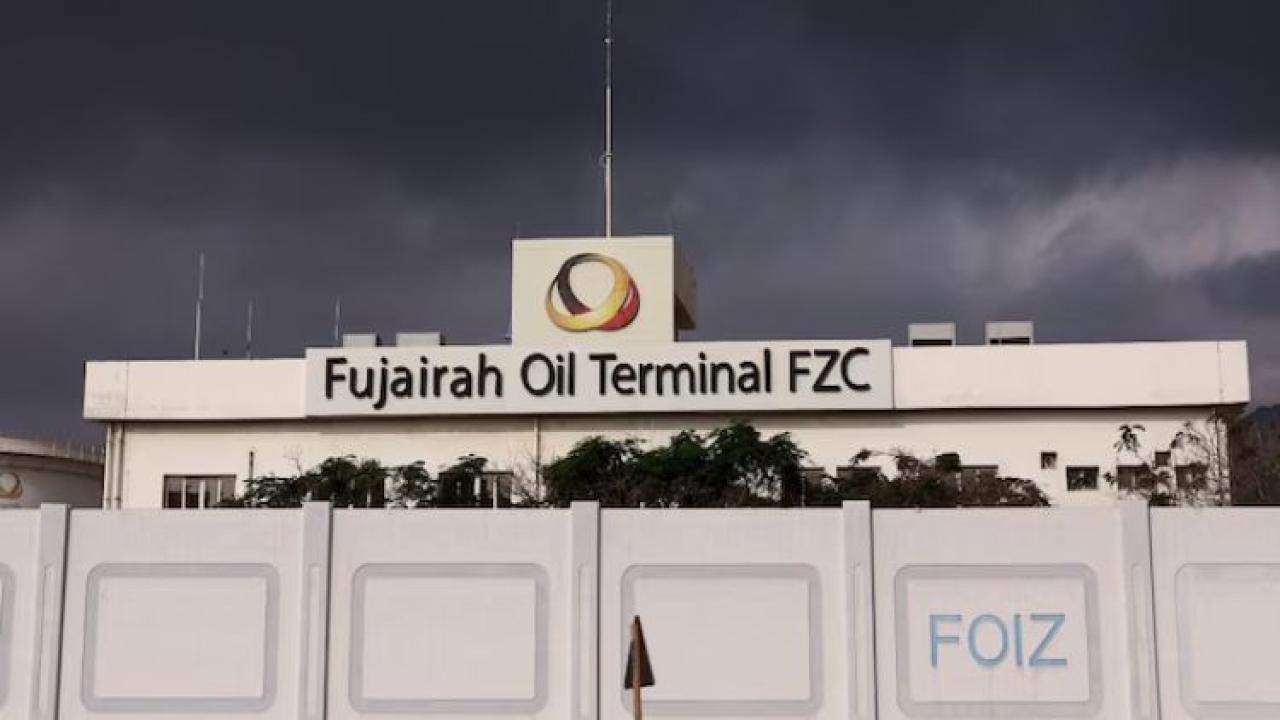
One of the biggest advantages of this development is the use of the Habshan-Fujairah pipeline, also known as the Abu Dhabi Crude Oil Pipeline.
This pipeline connects Abu Dhabi’s oil fields directly to the port of Fujairah, located outside the Strait of Hormuz. It stretches around 400 km and can carry up to 1.5 million barrels per day.
Why is this important?
It avoids the Strait of Hormuz, which is often seen as a risky chokepoint
Oil can be shipped directly into the Arabian Sea
It ensures faster and safer delivery to countries like India
In recent times, India has already increased imports through Fujairah when tensions affected shipping routes in the Gulf.
The decision did not come suddenly. The UAE has been investing heavily to expand its oil production capacity through Abu Dhabi National Oil Company (ADNOC).
Currently, the country can produce close to 5 million barrels per day, but OPEC rules had limited its output to around 3.4 million barrels daily. This gap created frustration, as the UAE felt it was not able to fully use its capacity.
Officials have described the move as a “policy shift” aimed at aligning production with long-term market needs.
With the UAE stepping out, OPEC loses one of its major producers. This slightly reduces the group’s control over global oil supply.
However, the UAE has made it clear that it will not flood the market with excess oil immediately. Production increases will be gradual, especially as shipping conditions in the Gulf stabilise.
- With inputs from agencies