Delhi's new EV policy gets Cabinet nod: Mandatory e-autos from 2027, only electric two-wheelers from 2028





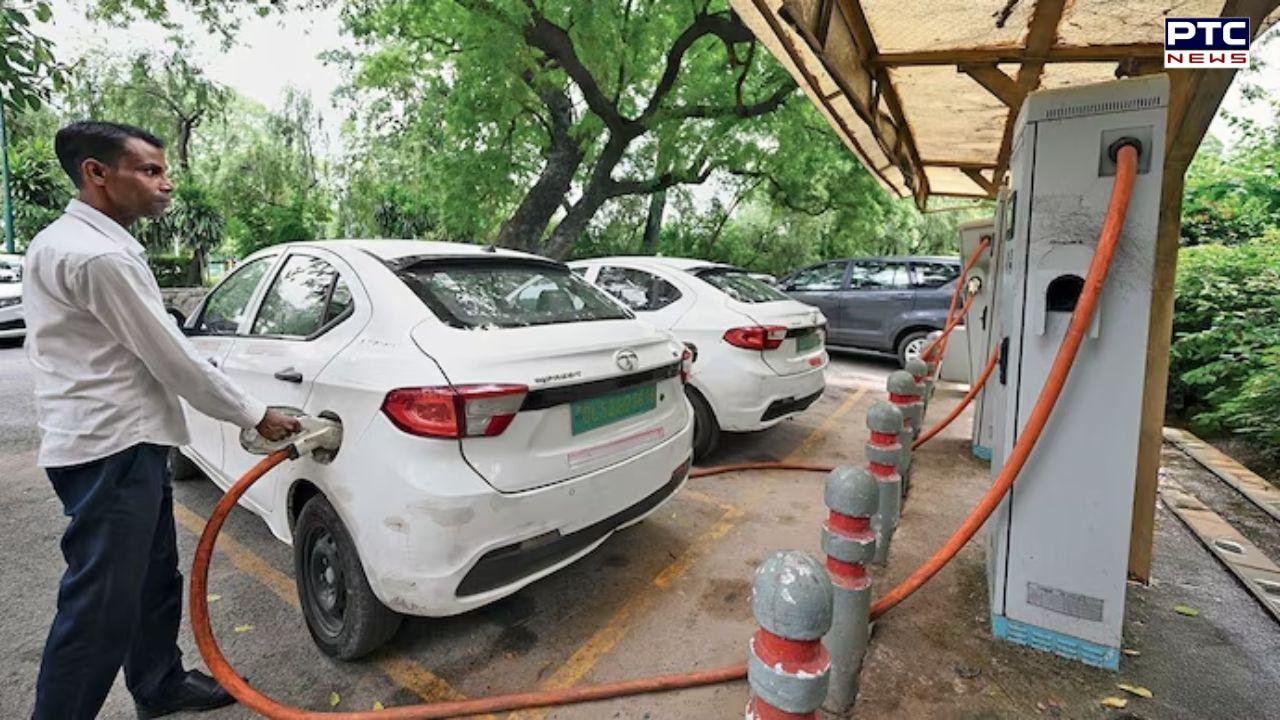
PTC News Desk: The Delhi Cabinet has approved a new Electric Vehicle (EV) Policy that offers major incentives to encourage the adoption of electric vehicles and reduce air pollution in the national capital.
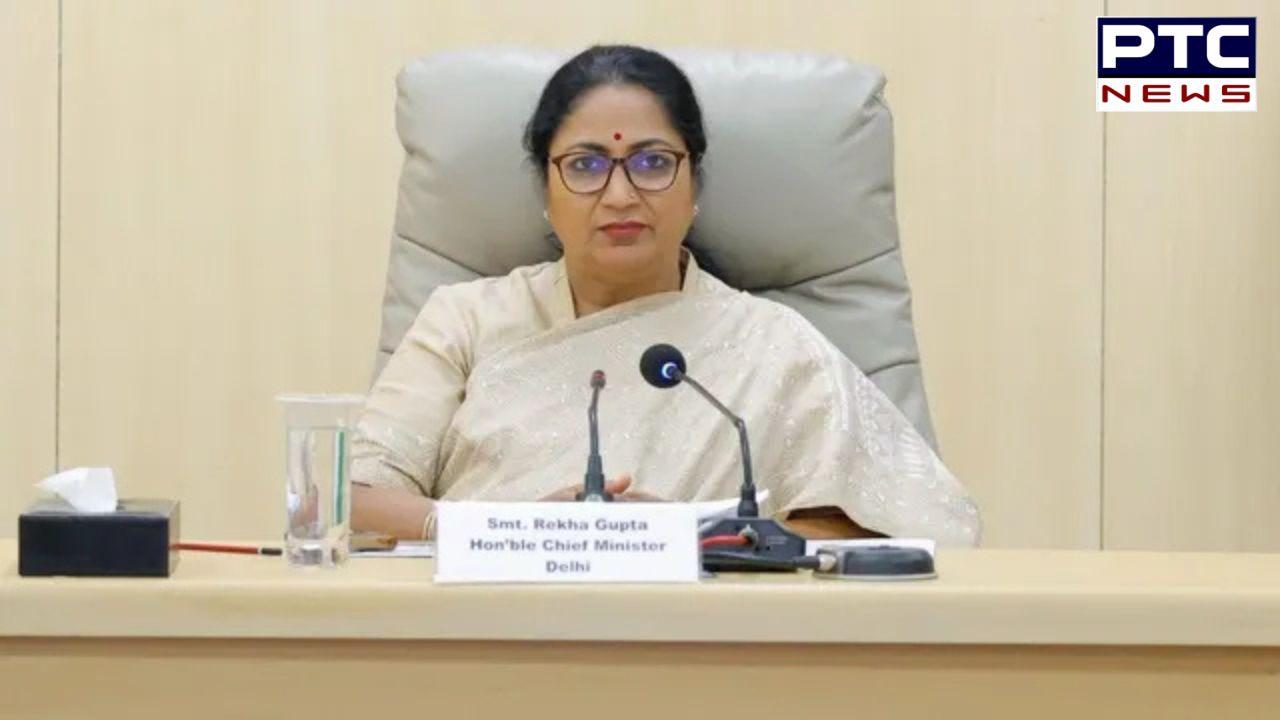
Under the policy, electric cars priced up to ₹30 lakh will be exempt from road tax and registration fees. The policy is expected to come into force on July 1 and remain valid until March 31, 2030, subject to approval from Lieutenant Governor Taranjit Singh Sandhu, according to Chief Minister Rekha Gupta.
The policy also introduces a phased transition towards electric mobility:
Only electric autorickshaws will be registered in Delhi from January 1, 2027.
Registration of new petrol and CNG-powered two-wheelers will be phased out from April 1, 2028, with electric two-wheelers becoming the preferred option.
Incentives for EV buyers
The policy provides financial support across different vehicle categories:
Electric two-wheeler buyers will receive subsidies of ₹30,000 in the first year, ₹20,000 in the second year, and ₹10,000 in the third year.
Electric three-wheeler buyers will get incentives of ₹50,000, ₹40,000, and ₹30,000 respectively during the first three years.
Buyers of N1-category electric trucks can receive incentives of up to ₹1 lakh.
Owners of BS-IV or older four-wheelers who scrap their vehicles and purchase an electric vehicle will be eligible for a scrapping incentive of ₹1 lakh.
Officials have clarified that hybrid vehicles will not receive any subsidy under the scheme, as the policy is focused entirely on promoting zero-emission electric vehicles.
The government hopes these measures will accelerate EV adoption, reduce vehicular emissions, and help improve Delhi's air quality, especially during the winter months when pollution levels typically rise sharply.
- With inputs from agencies