Fuel prices hiked after 10 weeks: Why govt finally allowed Rs 3 rise in petrol, diesel rates





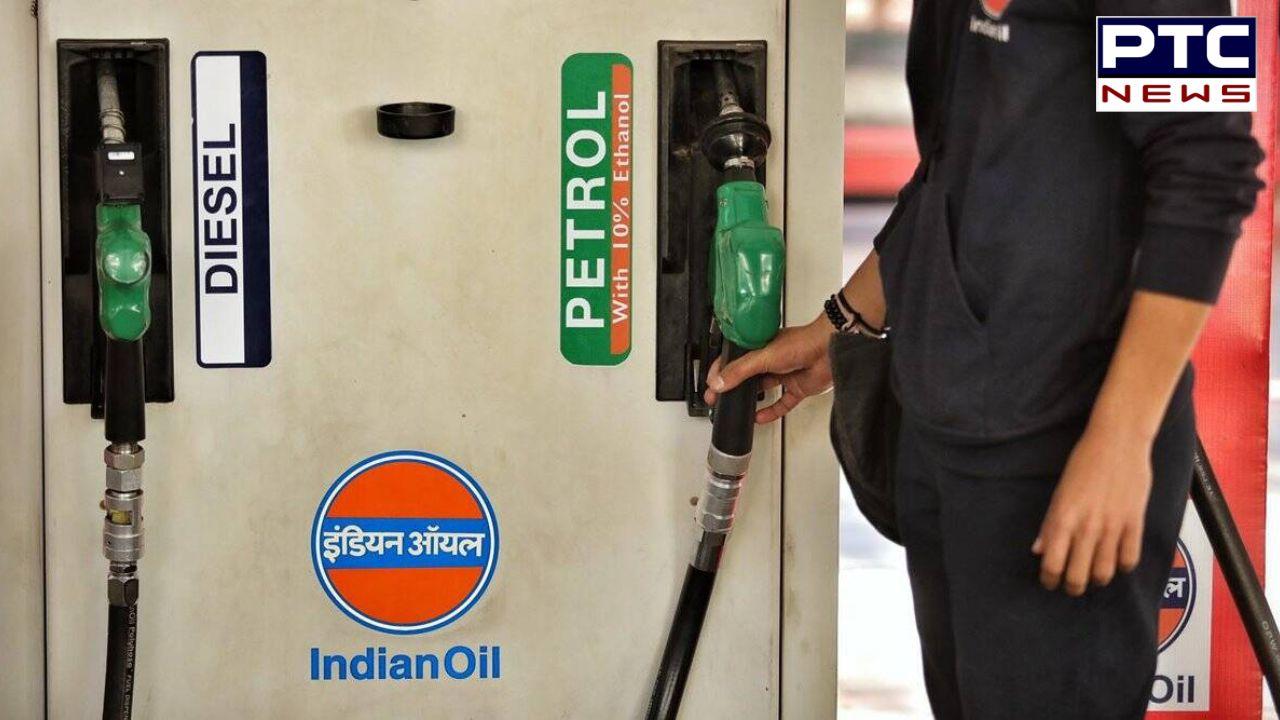
PTC Web Desk: After holding fuel prices steady for nearly 10 weeks despite rising global crude oil rates, the Centre on Friday finally allowed a Rs 3 per litre increase in petrol and diesel prices across the country.
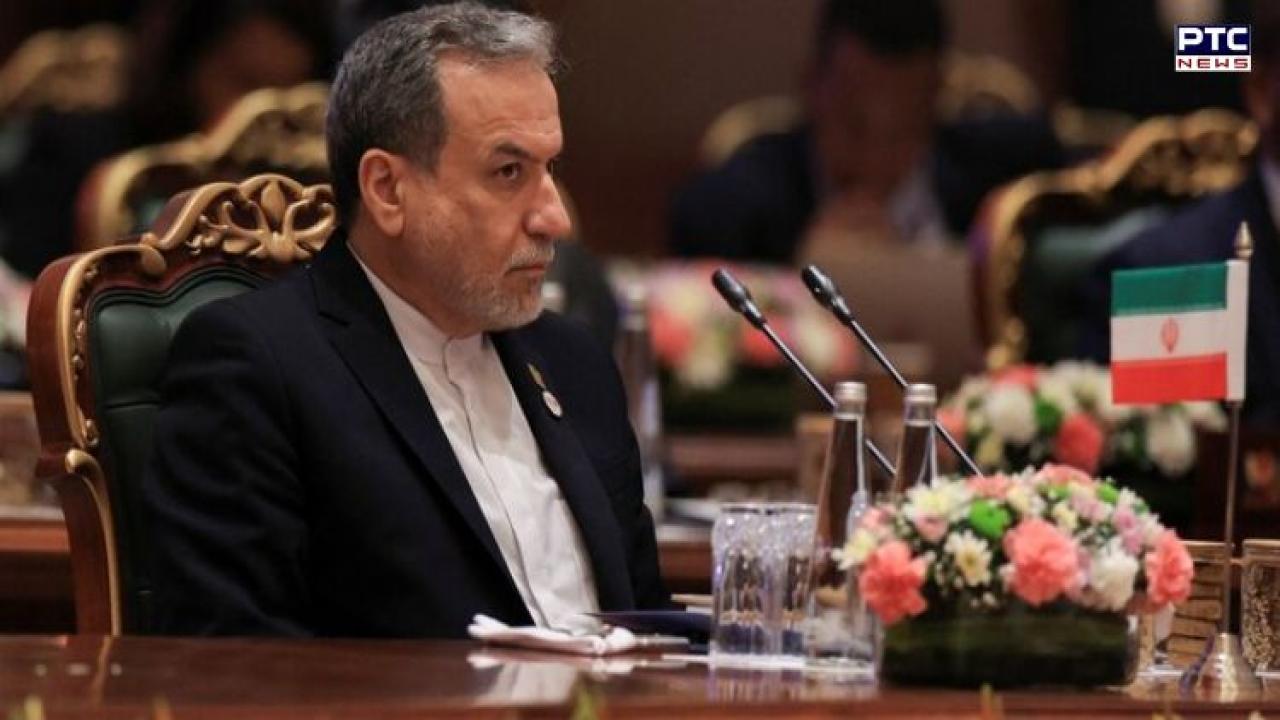
The decision comes at a time when international crude oil markets remain under pressure due to escalating tensions in the Middle East, especially around Iran. The government had been trying to shield consumers from rising costs for weeks, fearing that a fuel price hike would trigger inflation and push up the prices of essential commodities.
However, mounting losses suffered by state-run oil marketing companies and rising import costs made the situation increasingly difficult to sustain.
The biggest trigger behind the latest fuel hike has been the instability in global crude oil supply following the ongoing Iran conflict.
Shipping movement through the Strait of Hormuz, one of the world’s most critical oil transit routes, has faced delays and uncertainty. This sparked panic in international energy markets, leading to a sharp rise in crude oil prices.
India’s crude oil basket, which was trading around $69 per barrel before the conflict intensified, reportedly surged beyond $110 per barrel in recent weeks. Since India imports nearly 85 per cent of its crude oil requirement, any spike in global prices directly impacts domestic fuel costs.
Apart from expensive crude oil, transport and shipping-related expenses also increased sharply during the geopolitical crisis.
Oil-importing countries started competing aggressively for limited cargoes, pushing up freight charges. Insurance premiums for oil tankers also climbed due to heightened security risks in the region.
As a result, Indian refiners had to pay significantly more not just for crude oil, but also for transporting it safely into the country.
The weakening Indian rupee further worsened the crisis. Since crude oil purchases are made in US dollars, a weaker rupee automatically increases India’s import bill. The rupee recently slipped close to record lows against the dollar, increasing pressure on oil companies.
This meant India was hit by a double blow, rising crude prices globally and a more expensive dollar domestically.
State-owned oil retailers had reportedly continued selling petrol and diesel at older rates for over two months despite rapidly rising input costs.
Major public sector oil firms, Indian Oil Corporation, Bharat Petroleum Corporation Limited and Hindustan Petroleum Corporation Limited, were absorbing heavy under-recoveries during this period.
Industry estimates suggest the companies were collectively losing thousands of crores every day due to the widening gap between international crude prices and domestic retail fuel rates.
With losses reportedly crossing the Rs 1 lakh crore mark over the past several weeks, the existing pricing structure had become financially unsustainable.
The Centre had earlier reduced excise duties on petrol and diesel to cushion consumers from global oil shocks.
According to reports, excise duty on petrol was brought down sharply while diesel duties were nearly eliminated. The move reduced the burden on consumers but also significantly impacted government revenues.
Officials believe continuing with low fuel prices despite surging global costs would have further widened both fiscal pressure and oil company losses.
Why the increase was limited to Rs 3
Despite the sharp rise in crude oil prices globally, the government opted for a relatively smaller increase of Rs 3 per litre.
Experts believe the move was aimed at balancing two concerns, reducing financial stress on oil companies while avoiding a sudden inflationary shock for consumers.
Analysts say oil firms are still absorbing a substantial portion of the losses, and further price revisions may become necessary if crude oil prices remain elevated for a longer period.
Fuel price hikes have a direct impact on transportation and logistics costs, which eventually influence the prices of food items, vegetables, household goods and other essentials.
The government had delayed any revision for weeks largely due to concerns that rising fuel costs could accelerate inflation and hurt household budgets.
However, with international oil prices remaining above $100 per barrel and the rupee under pressure, policymakers eventually had limited room to continue holding rates unchanged.
What happens next?
Much will now depend on how the Middle East situation evolves in the coming weeks.
If tensions ease and crude oil prices cool down, fuel prices may stabilise again. But if geopolitical risks continue and global oil supply remains disrupted, further pressure on petrol and diesel prices cannot be ruled out.
- With inputs from agencies