Why are ships heading to India going off radar in Strait of Hormuz ? Will oil supply be affected ?





PTC News Desk: More than 60 per cent ships heading to India from the persian gulf seemed to be disappearing from public tracking systems while passing through one of the world's most crucial maritime chokepoints, the Strait of Hormuz.
However technically they are not disappearing but deliberately switching off or restricting their public location broadcasts amid heightened security concerns linked to tensions involving Iran.
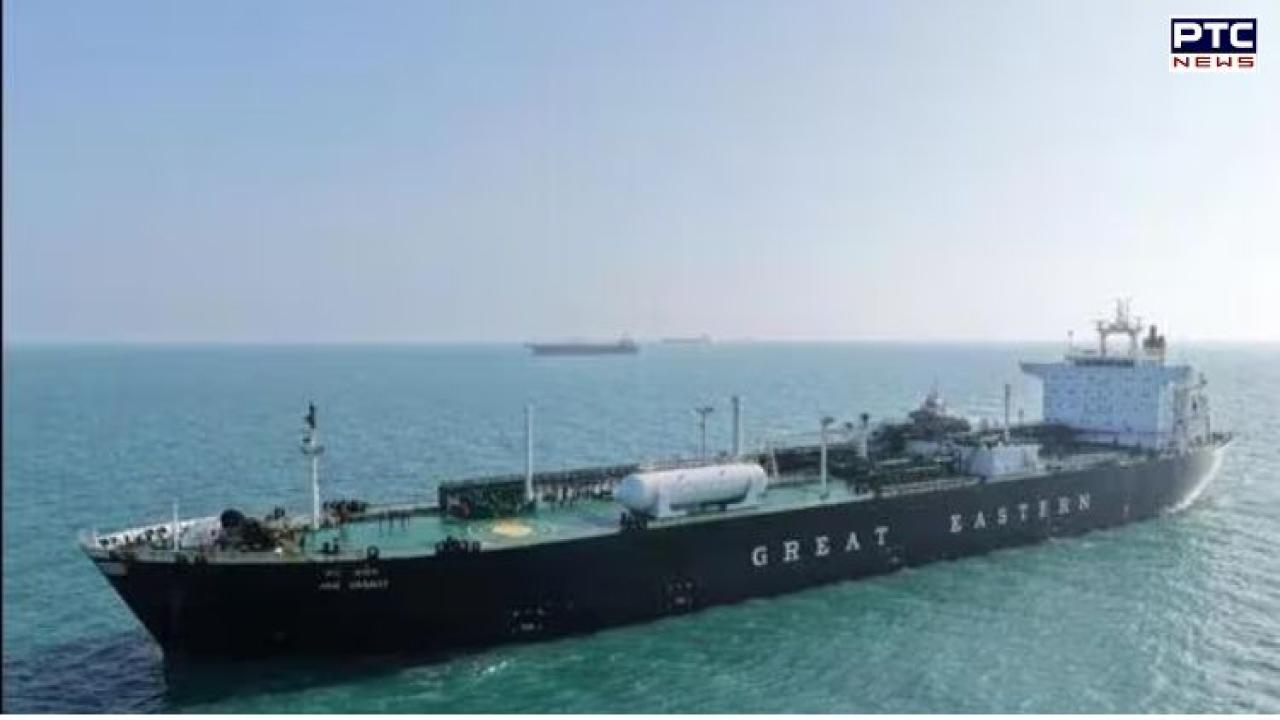
The development has raised worries about India's energy security and supply chain because almost half of the country's crude oil imports, along with a large portion of its LNG and LPG shipments, pass through the Strait of Hormuz.
What does 'going dark' means ?
The term "going dark" means that ships are turning off or reducing their Automatic Identification System (AIS) signals. AIS is a tracking system that regularly shares a ship's identity, location, speed and destination. It helps prevent collisions and allows authorities, ports and tracking services to monitor vessel movements.
However, in areas facing security threats or conflict, sharing a ship's exact location can be risky. According to maritime intelligence firm Kpler, about 62% of ships carrying cargo to India have reduced or switched off their public AIS signals while passing through the Strait of Hormuz due to fears of attacks or interference. This precaution comes amid tensions involving Iran and growing security concerns in the Gulf region.
Shipping companies worry that vessels openly broadcasting their positions could become easier targets. To reduce this risk, many operators are limiting the information available through public tracking systems while crossing the strait. Even so, these ships continue their journeys and remain in contact with naval forces, coastal authorities and shipping companies through secure communication channels.
This means the ships are not missing or untraceable—they are simply harder for the public and potentially hostile groups to track through publicly available websites and apps.
The Strait of Hormuz is one of the world's most important shipping routes. At its narrowest point, it is only about 30–40 kilometres wide and connects the Persian Gulf to the Gulf of Oman and the Arabian Sea.
Nearly 20% of the world's daily oil supply passes through this route, making it crucial for global energy trade. For India, the strait is especially important because a large share of its crude oil, LNG and LPG imports from countries such as Saudi Arabia, Iraq, Kuwait, Qatar and the United Arab Emirates passes through the Strait of Hormuz.
- With inputs from agencies