It's official: Trump acting tough against India due to ego clash after PM Modi skipped call





PTC Web Desk: A stalled India–US trade agreement and the imposition of steep tariffs on Indian goods were driven less by policy disputes and more by a breakdown in political engagement, according to remarks made by US Commerce Secretary Howard Lutnick.
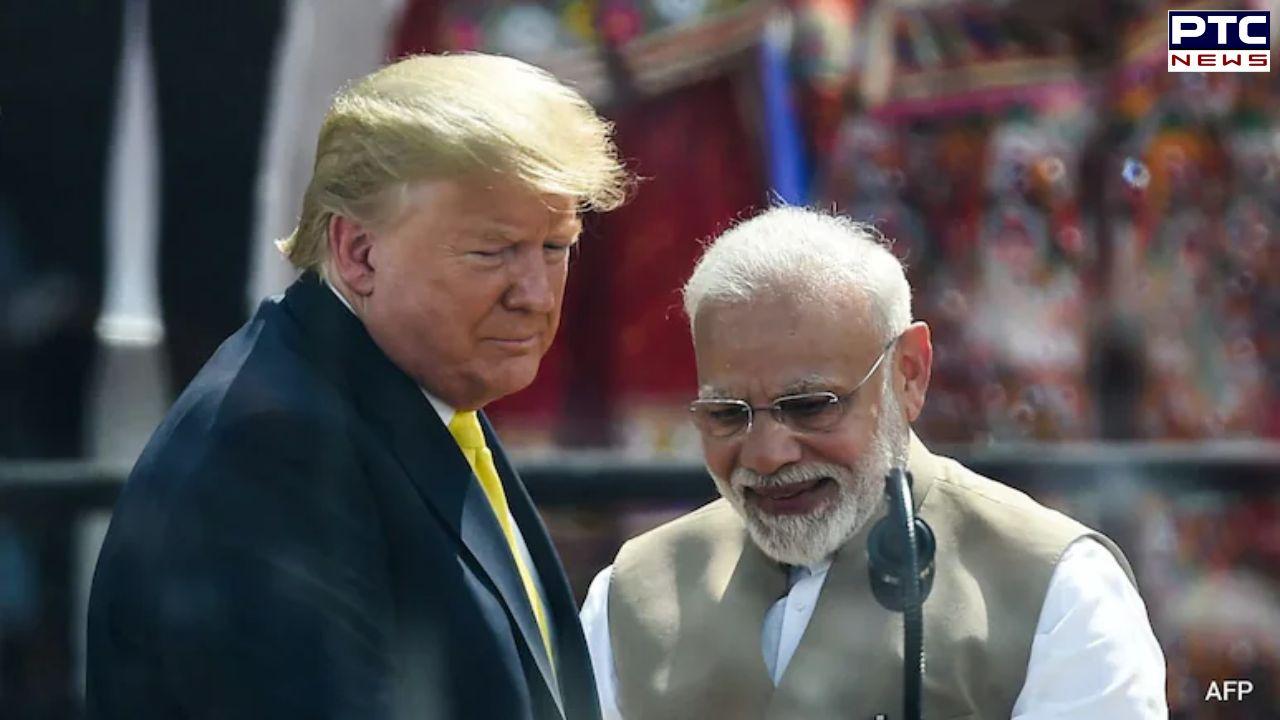
Speaking on the All-In Podcast, Lutnick claimed that negotiations on a long-pending bilateral trade deal had reached an advanced stage but failed to close because Prime Minister Narendra Modi did not speak directly with US President Donald Trump. The comments suggest that personal diplomacy, rather than unresolved trade differences, played a decisive role in derailing the agreement.
Lutnick said India had been given a narrow time window, described as “three Fridays”, to finalise the deal. He asserted that while the framework was ready, the final step required a direct conversation between the two leaders. When that did not happen, the US moved ahead with trade agreements with other countries, including Vietnam, Indonesia and the Philippines.
“The deal was essentially in place,” Lutnick said, adding that Trump preferred to personally close negotiations. India’s hesitation, he claimed, allowed other nations to move ahead in the queue.
For months, delays in the India–US trade talks were widely attributed to disagreements over market access, particularly in agriculture. Lutnick’s remarks, however, point to a different explanation, suggesting that New Delhi’s reluctance to engage in leader-level outreach proved to be the turning point.
Lutnick also indicated that the earlier terms discussed between India and the US are no longer under consideration. “We’ve stepped back from that arrangement,” he said, noting that Washington is not actively pursuing the same deal anymore, though he added that discussions could resume in the future.
Drawing a comparison, Lutnick highlighted the UK’s approach, recalling how British Prime Minister Keir Starmer personally reached out to Trump before a deadline, enabling the deal to be concluded swiftly and announced soon after. He described India’s situation as a case of timing overtaking intent, compounded by the country’s complex internal decision-making processes.
Reports published last year by international media outlets claimed that Trump had attempted multiple calls with Modi during a tense phase in bilateral ties, particularly after the US imposed an additional 25% tariff on Indian goods over New Delhi’s continued purchase of Russian oil, taking total duties to 50%. India was also reportedly displeased after Trump publicly claimed a role in easing tensions between India and Pakistan, —an assertion New Delhi firmly rejected.
According to those reports, Indian officials were cautious about high-level calls, concerned that discussions might be publicly overstated. The impasse later eased when Trump called Modi on his birthday in September, after which the two leaders spoke again on Diwali and in December, including on trade-related issues.
Whether the two sides can still bridge differences and revive the trade agreement remains uncertain, but Lutnick suggested that the possibility has not been entirely ruled out.
- With inputs from agencies