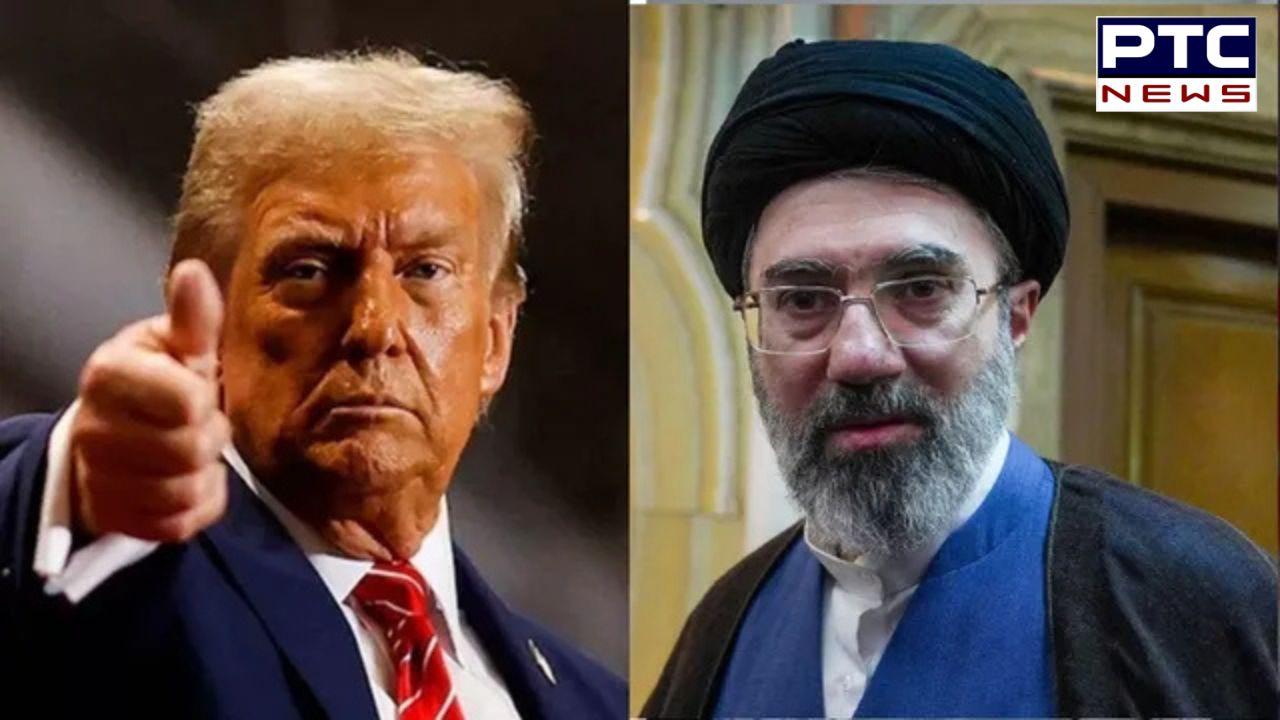
Trump says Iran peace deal is 'over' after fresh US strikes, calls Tehran leadership 'dangerous'





PTC Web Desk: US President Donald Trump has declared that the interim peace agreement between the United States and Iran has effectively come to an end, signalling a sharp escalation in tensions just weeks after both sides agreed to halt hostilities.
Trump's remarks came only hours after American forces carried out fresh strikes against Iranian targets in response to attacks on three commercial vessels in the strategically important Strait of Hormuz, a key global shipping route for oil and gas.
Speaking during a NATO summit in Turkey, Trump said he no longer wished to pursue diplomatic engagement with Tehran and dismissed the recently signed memorandum of understanding (MoU) as no longer relevant.
"For me, the MoU is over. I don't want to deal with them anymore," Trump told reporters when asked about the future of the agreement.
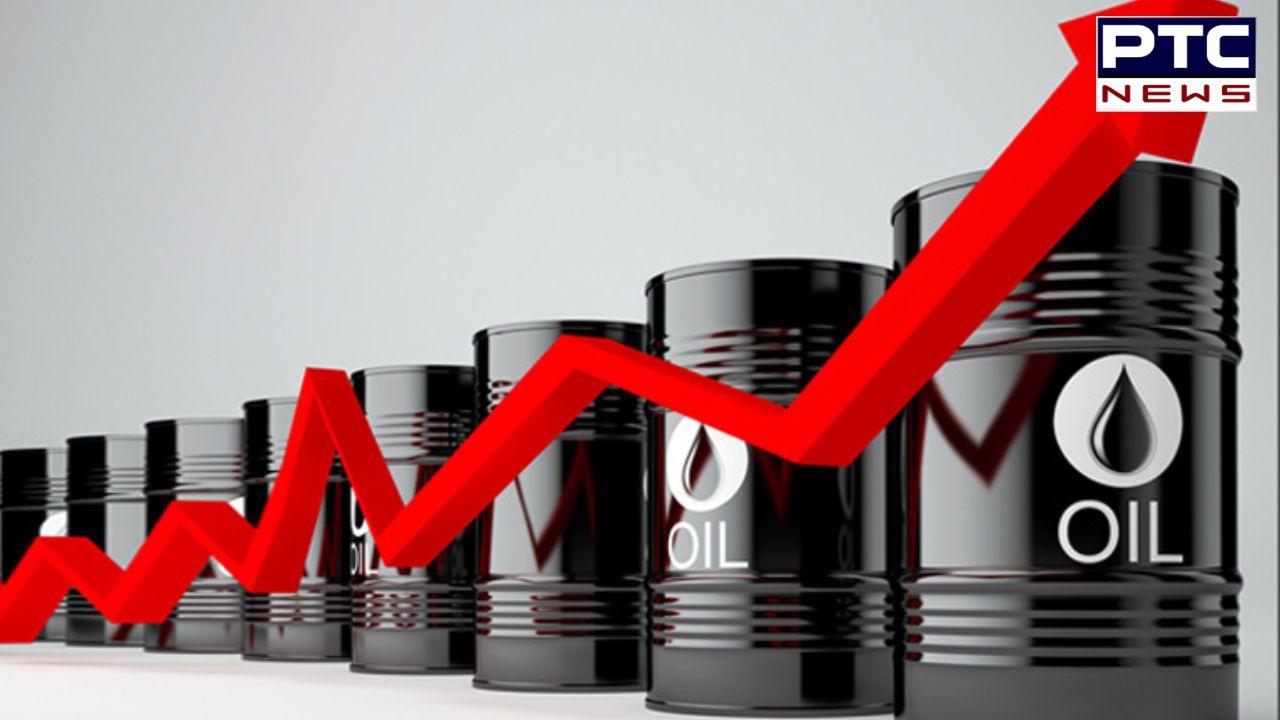
The interim accord had been reached only a few weeks earlier in an effort to end direct military confrontation between the two countries. However, tensions have quickly resurfaced, with disagreements centring on security in the Strait of Hormuz, through which roughly one-fifth of the world's energy supplies pass.
The latest attacks on commercial vessels in the waterway prompted the United States to launch retaliatory military action, raising concerns about renewed instability in the region.
Trump also launched a scathing attack on Iran's leadership, accusing it of posing a serious threat to global security. He argued that Tehran could not be trusted, particularly over concerns surrounding its nuclear ambitions.
Although the US President acknowledged that diplomatic channels between officials from both countries could technically remain open, he expressed little confidence in further negotiations.
He described additional talks as largely pointless, saying he saw little value in continuing discussions under the current circumstances.
The latest developments have cast fresh uncertainty over the future of US-Iran relations and have renewed fears of a broader confrontation in the Middle East, particularly as tensions continue to rise around one of the world's most critical maritime trade routes.
- With inputs from agencies